



2024–2025 Review: Deepening PFAS Regulatory Framework at Federal and State-Levels in the United States, Expanding Corporate Testing Obligations
The U.S. PFAS policy landscape underwent significant adjustments in 2024-2025: The EPA has postponed the TSCA reporting requirements twice to 2026. Meanwhile, state-level bans took effect as scheduled, setting the stage for a peak period in 2026 where federal reporting requirements and state-level enforcement will advance in parallel.
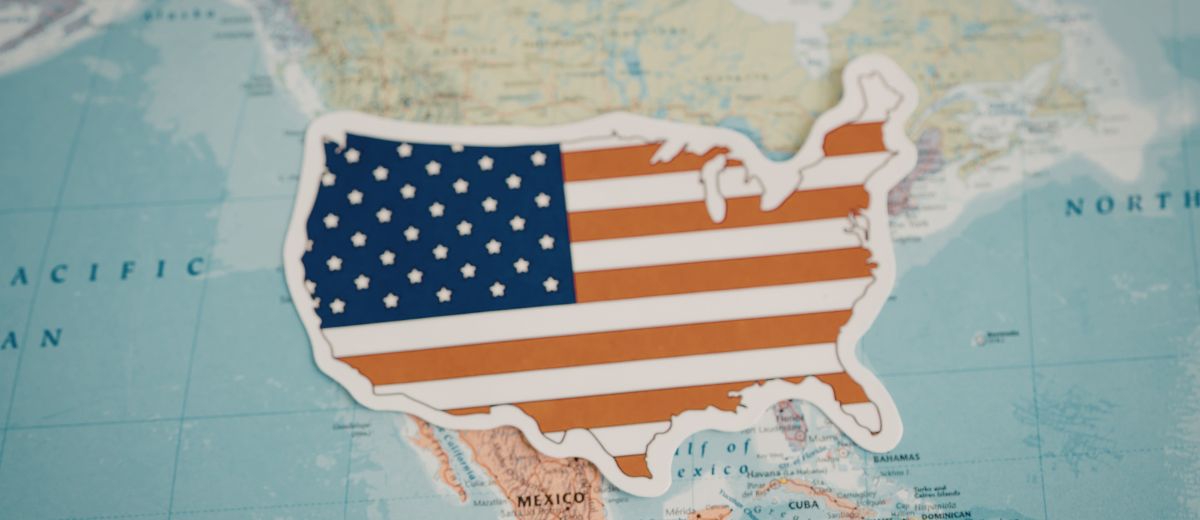
Review of the Evolution of PFAS Regulatory Policies and Reporting Mechanism Adjustments in the United States from 2024 to 2025
Between 2024 and 2025, the United States' regulatory framework for per- and polyfluoroalkyl substances (PFAS) entered a substantive enforcement phase. Although the U.S. Environmental Protection Agency (EPA) and state governments enacted science-based adjustments to the implementation timeline, the core regulatory objective remains clear: establishing rigorous data tracking mechanisms and progressively achieving a comprehensive PFAS ban through stringent concentration thresholds. These regulatory changes should not be interpreted as a relaxation of oversight. Rather, they represent a further escalation in requirements for testing precision and the authenticity of historical data in possession.
Federal TSCA Section 8(a)(7): Establishment of Data Traceability and Reporting Obligations
Under the requirements of Section 8(a)(7) of the Toxic Substances Control Act (TSCA), the U.S. federal government is committed to establishing a traceable historical database, mandating full reporting obligations for any entity involved in the manufacture or import of PFAS since 2011. To ensure the data processing efficiency of the reporting platform, the EPA has formally designated April 13, 2026, as the launch date for the data submission window. However, corporate reporting obligations have effectively been in force since 2024.
The industry should pay close attention to the EPA's regulatory amendment proposal of November 2025, which aims to focus regulatory resources on substances and products presenting PFAS high-risk and high-content targets. For instance, the proposed 0.1% concentration threshold effectively imposes stricter requirements on laboratories Limits of Reporting (LoR). Companies must now provide laboratory-certified documentation to prove their products fall below this threshold or face significant pressure to retroactively verify historical data. This signifies that scientific testing is not optional but the sole legally defensible basis upon which companies can demonstrate compliance with the applicable threshold.
Intensive Implementation of State Laws: 2024-2025 Industry Restriction List
Compared to federal-level data collection, state-level ban legislation formally transitioned into the enforcement phase between 2024 and 2025. These laws predominantly adopt the “Intentionally Added” criterion as the standard for determination, creating immediate demands for corporate material management and third-party testing reports. Below are the key effective dates for each industry:
- All industries:
- Maine and Minnesota: Statewide bans on all PFAS products are expected to be fully implemented in 2032.
- Textile and Apparel:
- California and New York: As of January 1, 2025, the sale of textiles and apparel intentionally containing PFAS is prohibited. California law explicitly requires businesses to possess a Certificate of Compliance (CoC) meeting specified standards. For outdoor apparel designed for extreme weather, mandatory labeling requirements must be implemented starting in 2025.
- Food Packaging and Containers:
- Minnesota, Oregon and Illinois: Simultaneously implement bans on January 1, 2025. Given the broad state definitions of packaging materials (including paper, paperboard, and plant-based fibers), companies must ensure their supply chains achieve full PFAS phase-out by 2025, in order to maintain market access.
2026 Outlook: The Compliance Showdown and Data Verification in Global Supply Chains
Entering 2026, the overall PFAS policy landscape in the United States will transition from a “preparation phase” into a peak period of “enforcement and data validation.” Developments this year will determine the competitive threshold for businesses over the next decade:
- State Mandatory Reporting Window Opens: Minnesota and Maine will launch large-scale product reporting procedures in 2026. Taking Minnesota as an example, manufacturers must report all intentionally added PFAS information in their products to the state authorities by July 1, 2026, including chemical names, concentrations, and intended uses. This means companies can no longer rely solely on “no added PFAS” claims. Instead, they must provide specific chemical identification data through third-party testing. Failure to do so may result in legal risks such as product removal from the market.
- Standardization of Technical Detection Thresholds: Multiple regulations starting in 2026 require companies to conduct product identification and traceability, with a full sales ban effective in 2027 (relevant timelines should be confirmed on official government websites). This compliance model — where testing data itself defines compliance — is expected to become the standard enforcement practice adopted by states after 2026.
- Compliance labeling and diversified disclosure obligations: Starting in 2026, labeling obligations will become a critical component of market access. Disclosure requirements vary by state: some jurisdictions require “positive disclosure”, meaning products must clearly state that they contain PFAS, while others favor “negative disclosure,” prohibiting eco-friendly or“no-additive”claims unless regulated substances are proven absent. Regardless of which approach applies, the core technical prerequisite remains the same: companies must rely on authoritative third-party testing to precisely determine PFAS contents in their products. Only through scientifically validated data can companies ensure the accuracy of their labeling information and avoid violations of state consumer protection laws or exposure to substantial fines.
Looking Ahead to 2026: The Start of the Reporting Time and the Peak of Data Submission
The regulatory evolution from 2024 to 2025 essentially laid the groundwork for subsequent comprehensive enforcement. As states refine their definitions of “intentional addition” and federal reporting deadlines become clearer, only through precise and professional chemical analysis and material list verification can businesses maintain operational resilience amid this regulatory storm surrounding the so-called “forever chemicals.”
SGS Offers a One-Stop PFAS Risk Assessment Solution: Comprehensive Coverage of Compounds and Polymers.
We integrate three core technologies—Total Fluorine Testing (TF), Targeted PFAS Testing, and the latest PFAS Verification Service—into our “PFAS 3-in-1 Testing Package,” delivering a true one-stop PFAS risk assessment solution.
- Breaking Assessment Bottlenecks: Effectively addresses sensitivity limitations that traditional methods struggle to overcome.
- Precise and Scientific Determination: No longer relying solely on TF/TOF values alone, providing deeper and more defensible compliance evidence.
- Clear Decision Path: Tailor solutions built on “Product Export Destination > Regulatory Control Type > Response Strategy.”
SGS provides comprehensive testing services and assessments tailored to each market's regulatory compliance requirements. We enable you clarify product risks and define appropriate testing items. This allows you to respond promptly to new regulatory demands and complete early deployment smoothly. SGS is ready to work alongside you toward the future — should you have any questions, please feel free to contact us.